How to Spot Fraud and Scams
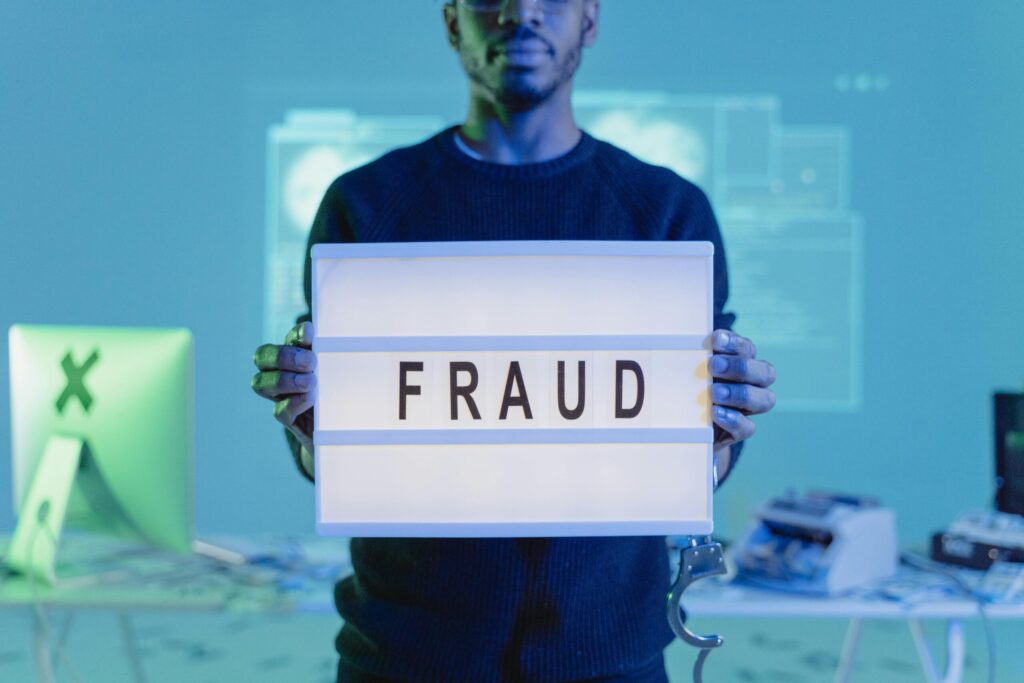
Fraud and scams are constantly evolving, and absolutely anyone can be a target. It is not about being naive or “bad with technology.” Scammers are professionals who exploit ordinary human emotions, such as fear, urgency, curiosity, and the simple wish to be helpful, to talk people out of their money or personal information. The good news is that almost every scam, no matter how clever the disguise, leans on the same handful of tricks. Once you know how to spot scams by their warning signs, you gain a powerful and surprisingly calming kind of protection.
Quick takeaway: Most scams share the same tells: unexpected contact, a sense of urgency or fear, a request for personal information, and a demand to pay in an unusual way (gift cards, wire transfers, cryptocurrency, or peer-to-peer apps like Zelle). When you notice those signs, slow down, do not act on the spot, and verify independently using a phone number or website you find yourself.
What This Means in Plain English
A scam is simply a con artist using a believable story to get you to do something you would never do with a clear, unhurried head: hand over money, share a password, or give a stranger access to your computer. The story changes constantly, but the goal never does.
Scams work because they hijack your emotions before your logic can catch up. A message says your account will be locked, your grandchild is in jail, or a dream deal is about to sell out. Your heart rate climbs, and in that rushed moment you are far more likely to click, call, or pay. Understanding that pattern is the single most useful scam-defense skill there is, because it lets you recognize the feeling itself as a warning sign.
The Universal Warning Signs
You do not have to memorize every scam ever invented. You just have to recognize the red flags they all share. Treat any one of these as a reason to stop and double-check:
- It arrived out of the blue. An unexpected call, text, email, or pop-up, especially one you did not initiate, deserves immediate suspicion.
- It creates urgency or fear. “Act now,” “your account will be suspended,” “you will be arrested.” Pressure to act this second is a scammer’s favorite tool, because it stops you from thinking.
- It asks for personal information. Legitimate companies do not call or email asking you to confirm your password, Social Security number, or full account number.
- It demands an unusual payment method. Gift cards, wire transfers, cryptocurrency, and peer-to-peer apps like Zelle are the scammer’s preferred currencies because they are fast and nearly impossible to reverse.
- It is too good to be true. Surprise prizes, miracle investment returns, and deeply discounted designer goods are bait.
- Something just feels off. Odd grammar, a slightly wrong web address (like amaz0n.com), or a story that does not quite add up. Trust that instinct.
Common Scams to Recognize
Scammers dress the same tricks in different costumes. Here are the ones we see most often in the Denver metro and surrounding areas, along with the tell that gives each one away. To make them concrete, we have added a short, true-to-life example of how each one tends to play out. Tap any scam below to open its story and how to protect yourself.
Phishing Emails and Text Messages
A message pretends to be from a bank, delivery service, or well-known company and pushes you to click a link or “verify” your details. The tells are an unfamiliar sender, a misspelled web address, urgent language, and a link that does not match the company. Do not click. Open a new browser tab and go to the company’s real website yourself.
How it happens: I got a text saying a package could not be delivered and I needed to confirm my address. I was actually expecting a shipment, so I tapped the link without thinking. It opened a page that looked just like the carrier’s site and asked for my name, address, and a “small redelivery fee” on my card. Something felt a hair off, so I stopped, opened a new tab, and went to the carrier’s real website myself. There was no delivery problem at all. The text was fake, and that page existed only to harvest my card number.
How to protect yourself: Do not click links or open attachments in unexpected messages, and never reply to confirm personal details. Watch for unfamiliar senders, misspelled web addresses like amaz0n.com, and pressure to act right now. When in doubt, open a new tab, type the company’s real address yourself, and check your account there. You can report phishing to the FTC at ReportFraud.ftc.gov, then block the sender and delete the message.
Bank and Company Impersonation
Someone calls claiming there is fraud on your account and that you must move your money “to keep it safe,” sometimes with the real company number showing on your caller ID (a trick called spoofing). No real bank will ever ask you to transfer money to protect it. Hang up and call the number printed on the back of your card.
How it happens: A woman called saying she was from my bank and that scammers had targeted my account. She told me to move my money to a new account number right away, by Zelle or wire, before the crook could grab what was left. She was calm and professional, and when I checked her number against the back of my debit card, it matched exactly. I had no doubt she was real, so I made the transfer, and she hung up. My balance was zero. I am genuinely tech savvy, and I always figured this could never happen to me.
How to protect yourself: Treat any out-of-the-blue call, text, or email about an account “problem” with suspicion, even if the number looks right, because caller ID can be faked. Never click a link or call a number they give you. Hang up, find the bank’s number on its website or the back of your card, and call it yourself. No real bank will ever ask you to move money to another account to keep it safe.
Government and Police Impersonation
Fake calls from the “IRS,” “Social Security,” or the “sheriff’s office” claim you owe money or missed jury duty, then threaten arrest unless you pay immediately. Government agencies do not demand payment by phone, gift card, or wire transfer, and they do not threaten you into instant action. Hang up.
How it happens: My caller ID showed the sheriff’s office, and the woman said I had missed a grand jury summons and had a warrant out for my arrest. She named a judge, and my husband looked him up, a real federal judge at the address she gave. I could pay a fine or be booked, she said, and if I got pulled over for anything I would be arrested. The calls kept coming, and they knew personal details about me. I paid $1,500 to make it stop, but they only asked for more. When we finally called to confirm the “appointment,” no such thing existed. We lost $5,000.
How to protect yourself: Real agencies do not call to demand payment or threaten arrest, and scammers often work in teams to make the story feel airtight. Never trust law enforcement, the IRS, a utility, or a bank that contacts you out of the blue, especially when they threaten you. Hang up, look up the agency’s number yourself, and call to check.
Tech Support Scams
A frightening pop-up or call claims your computer is infected and urges you to call a number or allow remote access. Once they are in, they can watch everything you type. Never call the number in a virus pop-up, and never let an unsolicited caller into your computer. If you are worried, contact a service provider you already trust.
How it happens: A giant yellow alert took over my screen saying my computer was hacked, and my cursor even seemed to move on its own. A second warning, branded like my computer’s maker, told me to call tech support. The man who answered was polished and said this attack was going around. He had me open a link so he could “see how bad it was,” then asked me to log into a few sites and my bank to check them, promising he could not see my password behind the dots. He said it was a false alarm and hung up. With that remote access, he had watched every keystroke, and days later thousands were gone from my account.
How to protect yourself: A scary virus alert is designed to make you panic and call. Never call the number in a pop-up, even one that looks like it is from your computer maker or an antivirus company, and never let an unsolicited caller into your device. If you think something is truly wrong, close the browser and contact a service provider you already trust.
Online Shopping and Marketplace Scams
Ads and listings offer cleaning services, repairs, rentals, pets, or brand-name goods at prices that are a little too sweet, then ask for a deposit by Zelle or wire transfer. The payment vanishes and so does the seller. Type the company’s address into your browser yourself, read reviews, see big-ticket items in person, and pay with a credit card whenever you can, since it offers the most protection.
How it happens: I was scrolling social media and saw a sale on one of my favorite brands. The ad looked just like others I had bought from, and the discount was great, so I clicked through to what looked exactly like the real site, free-shipping banner and all. At checkout there was no spot for a credit card, only apps like Zelle, but I figured no big deal and paid. When no confirmation email showed up, I got suspicious. Three weeks later the order still had not arrived, and my bank told me there was no way to get the money back.
How to protect yourself: Type a store’s web address yourself rather than trusting an ad, and confirm any sale or promo code actually exists on the real site. Read reviews, see big-ticket items in person, and pay with a credit card whenever you can, since it offers the strongest protection if something goes wrong. And when you are paying in person, remember that tap to pay is safer than swiping your card.
Home Services and Contractor Scams
Ads on social media and marketplaces offer house cleaning, repairs, or installations at prices that are hard to pass up, then ask for a deposit by app or wire before any work is scheduled. Once you pay, the “contractor” simply vanishes.
How it happens: I needed a house cleaner, and an ad in my feed offered a great first-time deal, linking to a polished site with glowing reviews. The cleaner offered a discount if I wired a deposit for the first six visits, so I did, and no one ever showed up. A friend got hit the same way hiring a plumber for a new boiler off a marketplace: they texted back and forth, agreed on a price, and he sent half up front by Zelle for the install. The plumber stopped responding and never came. Both deposits were gone the instant they hit send.
How to protect yourself: Before you book any home job, read reviews, check references, and meet the person face to face. Get written estimates from a few different companies, and hire only licensed contractors. Never pay a deposit by Zelle, another payment app, or wire transfer, because that is as good as handing over cash, and once it is sent you are unlikely to get it back.
Fake Rentals and Property Listings
Scammers copy real vacation rentals and home listings, or invent ones that do not exist, then pressure you to send a deposit fast because “there is a lot of interest.” The home is not theirs to rent.
How it happens: A group of us found a great vacation house on a major rental site and reached out through the listing. The owner called from his cell, friendly and easygoing, and even let each of us pay our share of the deposit by Zelle, then the balance the same way. As the trip got closer, we could not reach him. When we emailed through the site again, the real owner replied, confused, and told us someone had copied his listing word for word. Because we had paid outside the platform, the site’s fraud guarantee did not cover us, and the money was gone.
How to protect yourself: Most major rental sites only honor their fraud guarantee if you communicate and pay through the platform, so never let the conversation move to email, text, or a personal cell phone. See the property in person when you can, and avoid deposits by wire or payment apps like Zelle, which work just like cash.
Puppy and Pet Sale Scams
A listing shows an adorable puppy or kitten that does not actually exist, and the “breeder” pushes you to put down a deposit before someone else does. Then the extra fees start, or they simply disappear.
How it happens: After our old dog passed, I wanted to surprise my husband with a puppy, and I found the perfect one online. The “breeder” said she would be ready in a few weeks but could reserve her for a small deposit, so I happily paid. Then came a problem with the payment and another deposit, then a quarantine fee, then a permit fee. When I finally pushed back, they threatened to sue me for “puppy abandonment.” I called the police and learned there is no such law, the breeder was a criminal, and my money was gone.
How to protect yourself: Research the breeder and their reviews before you send a cent, and be wary of anyone who manufactures urgency or keeps inventing new fees. Do not pay a deposit or share personal details until you have seen the pet in person with your own eyes.
Investment and “Pig Butchering” Scams
A friendly new contact, often from a dating app or a wrong-number text, builds trust over weeks, then introduces a “can’t-miss” crypto platform that shows fake growing returns until you try to withdraw. Be deeply wary of any online friend who steers the conversation toward investing or promises quick, large returns.
How it happens: I am a software engineer, and I always figured I would never fall for a scam. It started with a woman I met on a dating app in another city, so we both knew it was just friendship. Over months we traded messages, and we both wished we had gotten into crypto sooner. She shared the platform she used, and it looked completely legitimate, so I put in a little and made $1,500 right away. I kept going until I had invested $1.6 million and my balance showed over $8 million. When I tried to withdraw for my son’s tuition, the site demanded I “repay a loan” first, then froze me out. She blocked me and vanished. My life savings were gone in a matter of months.
How to protect yourself: Pig butchering scams move slowly, often over weeks or months of friendly conversation before money ever comes up. Be very wary when a new online friend steers things toward investing, claims insider knowledge, promises quick or large returns, or pushes you toward one specific app or platform. That warm, patient stranger is very often the scam.
AI Voice and Family Emergency Scams
Scammers now use AI to clone a loved one’s voice from a short clip, then call sounding exactly like your child or grandchild, panicked and begging for bail or emergency money. Hang up and call the person back on a number you know, or check with another family member. Consider agreeing on a private “safe word” with your family for real emergencies.
How it happens: I answered a call that sounded exactly like my son, saying he had been in an accident, hurt someone, and was in police custody. Right after, a calm “public defender” called with his name and the county clerk’s details, telling me how to wire $9,000 for bail. It was my son’s voice, using words he would use, and the lawyer was smooth and not even pushy. Luckily I called my son’s wife first, and she told me he was perfectly fine. Scammers had cloned his voice from a short clip online.
How to protect yourself: AI can copy a voice from just a few seconds of audio, so a frantic call from “family” is not proof it is really them. Hang up and call the person back on a number you know, or check with someone else close to them. It helps to agree on a private “safe word” for real emergencies, and to think twice before posting videos that share your voice.
Fake Job Offers (Money Mule Scams)
A too-easy job “accidentally” overpays you, then asks you to send the difference back by Zelle, or has you deposit checks and forward funds. No honest employer sends you a check and asks for part of it back, and none asks you to pay to get the job.
How it happens: I found a posting for a well-known company on a major job site, applied, and had a video interview that went great. They offered me the role with a generous signing bonus. Before my start date, my “manager” emailed that HR had accidentally doubled the bonus, and asked me to deposit the check and Zelle back the overpayment. Not wanting to make waves with my new boss, I deposited it and set up the payments. My bank flagged them as unusual and blocked them just in time. The job, the bonus, and the check were all fake, and I had nearly become a money mule.
How to protect yourself: No honest employer sends you a check and then asks you to send part of it back, and none asks you to pay anything to get hired. Search the company and the hiring manager’s name along with “scam” or “complaint,” and remember that these fakes often use real company names, slick interviews, and even paid ads.
Identity Theft
With your birth date, Social Security number, or logins, a thief can open credit, drain accounts, and impersonate you. Guard your personal information like cash: never carry your Social Security card, share details only when you initiated the contact, and turn on alerts for your bank and credit card accounts.
How it happens: I lost my wallet, and my Social Security card was in it. Not long after, letters started arriving from banks and retailers congratulating me on loans and credit cards I had never applied for. Someone had used my information to open new accounts in my name, and untangling it took months of phone calls, disputes, and worry.
How to protect yourself: Identity theft can take months to unwind, so guard your details before anything goes wrong. Beyond leaving your Social Security card at home and turning on account alerts, secure your email account, because it is the master key that password resets for your bank, credit cards, and other logins all run through. Lock it with a strong, unique passphrase and multi-factor authentication.
Gift Card and Check Demands
Any time someone insists you pay with a gift card, that is a scam, full stop. No legitimate business or agency takes gift cards as payment. For checks, use permanent ink, do not leave blank space, mail them from inside the post office, and review your statements regularly.
How it happens: I got a call saying my power would be shut off within the hour unless I paid the past-due balance immediately, and the only way to do it was with gift cards from the drugstore down the street. The caller stayed on the line while I bought them and read off the codes one by one. By the time I thought to hang up and call the utility directly, the money was already gone, and gift card codes cannot be reversed.
How to protect yourself: Any time someone insists on a gift card, it is a scam, full stop, and no real business or agency will ever accept one. Never buy gift cards for someone who contacts you first, never read the number or the code hidden under the scratch-off to anyone, and never send a photo of one. For paper checks, permanent ink and no blank spaces before the payee or amount make them much harder to alter, and mailing from inside the post office keeps them out of an unlocked mailbox.
How to Protect Yourself
The defenses are refreshingly simple, and they work against scams that have not even been invented yet:
- Slow down. Urgency is the scammer’s engine. Giving yourself even five minutes to think defuses most attacks.
- Verify independently. Never use the phone number or link a suspicious message gives you. Look up the company yourself and reach out through its official channel.
- Never pay to “fix” a problem with gift cards, wire transfers, or crypto. That request is itself the proof it is a scam.
- Lock down your accounts. Use strong, unique passphrases and turn on multi-factor authentication so a stolen password is not enough.
- Guard your information. Treat your Social Security number, account numbers, and one-time codes as secrets you share only when you started the contact.
- Be careful on public Wi-Fi. Scammers can lurk on open networks at cafes, airports, and hotels. A VPN will not stop a scam, but it does keep your connection private when you are on a network you do not control — here is how to tell whether you actually need one.
Ronin Tip: When something feels urgent and scary, that is exactly the moment to do the opposite of what the message wants. Put the phone down, take a breath, and call the person or company back using a number you find yourself. Scammers count on you not pausing. The pause is your superpower.
What to Do If You Have Been Scammed
If you think you have been caught, do not waste energy on embarrassment. These scams fool tech-savvy professionals every day. Act quickly instead:
- Stop all contact with the scammer and do not send any more money.
- Call your bank or card issuer right away to report the fraud and try to stop or reverse payments.
- Change your passwords on any affected accounts, starting with your email, and turn on multi-factor authentication.
- Report it to the FTC at ReportFraud.ftc.gov and, for online crimes, to the FBI at ic3.gov. Reporting helps investigators and warns others.
- Watch your accounts closely and consider a credit freeze if your personal information was exposed.
What You Can Do Today
- Adopt a “pause and verify” rule: Decide now that you will never act on an urgent message without independently checking it first.
- Turn on account alerts: Let your bank and credit cards text or email you about new transactions.
- Enable multi-factor authentication: Add it to your email and financial accounts so a stolen password is not enough.
- Talk to family: Share these warning signs with relatives, especially anyone who might be targeted by a “grandchild in trouble” call.
- Save the report links: Keep ReportFraud.ftc.gov and ic3.gov handy so you know where to turn fast.
When to Get Help
If you are not sure whether a message is real, or you worry you may have clicked something you should not have, it is far better to ask than to guess. A trusted family member, friend, or local tech can help you check a suspicious link, clean up a compromised computer, or lock down your accounts. There is no shame in a second opinion, and catching a problem early can save you a great deal of money and stress.
The Bottom Line
Scammers may be sophisticated, but they are predictable, and that is their weakness. Almost every scam relies on catching you off guard, rushing you, and steering you toward a payment you cannot undo. When you slow down, verify independently, and refuse to pay strangers with gift cards or wire transfers, you take away the tools they depend on. Working together, and staying a little skeptical, we can stay a step ahead of them.
Want a Hand From a Local Tech?
If you have spotted something suspicious or worry you may have been caught, that is what we are here for. Technology Ronin offers friendly home IT & tech support for homes and small businesses in the Denver metro and surrounding areas, onsite or remote. We can check suspicious messages, clean up a compromised device, and help secure your accounts.
Quick Questions
What is the most common sign of a scam?
Pressure to act immediately. Almost every scam manufactures urgency or fear so you will pay or share information before you have time to think it through.
Why do scammers ask for gift cards or wire transfers?
Because those payments are fast and nearly impossible to reverse. Any request to pay that way for a “problem” is a reliable scam warning sign.
What should I do first if I think I was scammed?
Stop contact and call your bank or card issuer right away to try to stop the payment, then change your passwords and report it at ReportFraud.ftc.gov.
Helpful Resources
For readers who want to learn more, these trusted resources are a good place to start:
Want help staying safe? Technology Ronin sets up security, backups and scam protection for homes and small businesses across the Denver metro — in plain English, with no pressure.